Embroidery Designer's Review: No Room for Racism
When a new embroidery file lands on my desk, my first question is always: can I use this in a real project? Is it a viable, high-quality machine embroidery design that will stitch out cleanly and add genuine value to a finished product? Today, I'm looking at the "No Room for Racism" design from Creative Fabrica, considering it for use in custom apparel, handmade gifts, and boutique merchandise.
First Impression and Visual Mood
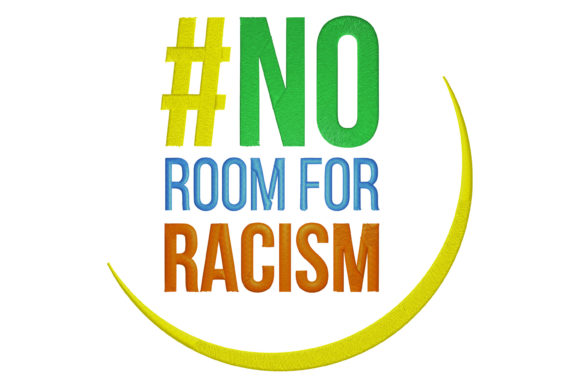
The "No Room for Racism" design makes a strong and clear statement from the outset. As an awareness-focused embroidery piece, its visual mood is direct, uncluttered, and purposeful. The lettering style likely dictates its stitching personality—it appears designed for clean readability rather than ornate decoration. This isn't a frivolous decorative element; it's a message meant to be worn, displayed, and seen. For embroidery projects like tote bags, pillow covers, or sweatshirts intended to convey a stance, this design naturally fits. Its decorative appeal lies in its bold simplicity, making it suitable for a wide range of items from kitchen towels in a home setting to patches on a cap.
Project Fit and Commercial Potential
Thinking through my typical project queue, several applications come to mind immediately. For custom apparel like t-shirts and sweatshirts, this design could serve as a central, meaningful motif. For Etsy sellers and small business owners creating awareness-themed products, it offers a ready-made, professional design asset. It could be beautifully applied to baby items like blankets, though careful consideration of fabric and washability is crucial. As an embroidered patch, it could be versatile, applied to bags or jackets. For craft fair products or boutique merchandise, such a clear message can enhance buyer trust and brand consistency for shops aligned with inclusive values. The design also lends itself well to product photography and printable mockups due to its straightforward, impactful nature.
Practical Performance on Real Fabrics
Moving from idea to hoop, the practical performance is key. With any text-based design, small details are paramount. If the lettering contains tiny elements or very small hoop sizes are required, I would advise a cautious approach. Dense stitch areas in the text could cause puckering on lightweight or stretchy fabrics like t-shirts. For curved surfaces like caps, the design's layout would need to be assessed for distortion. Using proper stabilizer is non-negotiable here to maintain clean edges.
Dark fabric versus light fabric also requires planning. The thread color contrast must be high to ensure the message remains legible—white or bright thread on dark backgrounds would be ideal. For textured fabrics like some sweatshirt materials or the weave of a tote bag, a slightly higher stitch density might be necessary to prevent the fabric texture from disrupting the text's clarity. Before any commercial embroidery run, a test on scrap fabric of the same type is essential.
Affecting Product Value and Customer Engagement
Using an embroidery file like "No Room for Racism" on a handmade product goes beyond simple decoration. It imbues the item with a stated value, which can significantly affect its perceived worth and giftability. A pillow cover or apron featuring this statement becomes more than a household item; it's an expression of principle. This can deepen customer engagement for Etsy listings or craft fair products, as buyers often seek items that resonate with their personal beliefs. For the embroidery designer or seller, it enhances handmade presentation by aligning a craft skill with a meaningful message. However, this also carries a responsibility—the finished product must be impeccably made, as any stitching flaw could detract from the solemnity of the message itself.
Critical Embroidery Notes Before Starting
My standard workflow for a new design like this involves several checks. First, I always confirm the file details and licensing on the Creative Fabrica product page before selling finished items. The description notes it comes with multiple embroidery file formats, which is crucial for machine compatibility. I would need to verify which specific formats are included for my equipment.
- Test stitch on a scrap of the target fabric (e.g., cotton for a pillow, fleece for a sweatshirt).
- Check the actual stitch density in the file viewer to anticipate fabric pull.
- Confirm the minimum required hoop size by stitching a sample.
- Inspect all small details, like the closure of letters, after the first test stitch.
- Compare light and dark fabric mockups digitally to plan thread inventories.
These steps are especially important for a design meant for commercial embroidery or products needing frequent washing, like baby blankets or kitchen towels. The stitches must be secure and dense enough to withstand laundering without fraying the message.
Final Thoughts for Creative Entrepreneurs
The "No Room for Racism" embroidery design from Creative Fabrica presents a straightforward, high-quality option for projects where awareness is the central theme. Its strength is its clarity and direct application to a variety of products, from tote bag designs to custom apparel. For embroidery designers and digital product sellers, it serves as a reliable design asset that can be integrated into a product line with thoughtful execution.
My recommendation is to approach it with the same professional rigor as any commercial embroidery project. Its value lies not just in the stitches, but in the context you provide for it—on a well-made, carefully embroidered item where the craftsmanship matches the importance of the message. If the technical details on the product page align with your machine formats and the intended hoop size fits your applications, it is a design worth downloading for those specific, meaningful projects. Always remember, the final product speaks not only through the design, but through the quality of your embroidery work.