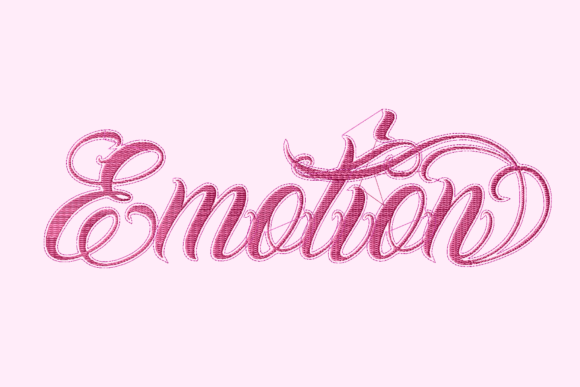
Emotion Lettering: A Design Review for Business Branding
As a professional embroidery designer, I evaluate embroidery files not just as art, but as business assets. When a design like Emotion Lettering lands in my library, my first question is: how will this perform on real merchandise for real clients? This review focuses on that practical lens, seeing this design through the eyes of a small café owner, an Etsy seller, or a boutique looking to elevate their branded products.
First Impression: A Friendly & Elegant Accent
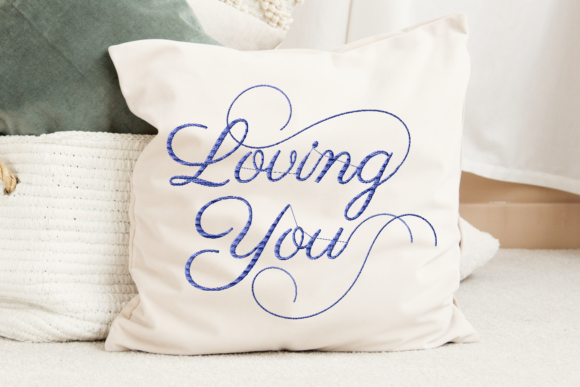
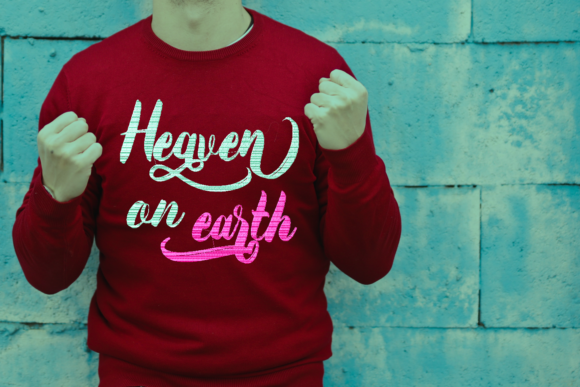
The title Emotion Lettering suggests a design focused on feeling. My initial take is that this isn't a bold, corporate logo. It leans into a handmade, playful, yet elegant personality. It feels like an adorable accent, as the description notes. This is crucial for businesses whose brand identity is built on warmth, creativity, and personal touch—think bakeries, florists, creative studios, or pet brands. It won’t scream “company logo” from a distance; instead, it will whisper “carefully crafted” to a customer looking closely at your apron or tote bag.
Real-World Business Applications
For a small business investing in embroidered merchandise, Emotion Lettering is not a primary chest logo. It is a perfect secondary branding element. Here’s where it shines:
- Apron Embroidery: Positioned on a pocket or along the hem, it adds a thoughtful, decorative touch to staff uniforms in a café or boutique, enhancing the handmade presentation.
- Tote Bag Design: As a smaller mark near the handle or base, it turns a simple bag into branded merchandise that feels premium and giftable.
- Cap Embroidery: On the side or back of a cap, it serves as a subtle, stylish detail for event merch or staff caps.
- Product Packaging & Labels: Stitched onto a fabric sleeve for a candle or a small tag on a handmade product, it becomes a luxurious accent that boosts product value.
- Embroidered Patches: This is a standout application. A patch featuring Emotion Lettering can be applied to uniforms, customer gifts, or sold as standalone merchandise, offering incredible flexibility.
Critical Considerations for Professional Use
To ensure this machine embroidery design delivers a professional finish, you must use it carefully. Its success depends on execution.
- Scale & Placement: Test the embroidery file at a small patch size first. Lettering designs can lose clarity when miniaturized. Ensure it’s legible and clean at the size you intend, especially for cap fronts or tiny product labels.
- Fabric & Stabilizer: The adorable accent effect can be ruined by poor fabric choice or stabilizer. On textured fabrics like canvas tote bags or thick apron twill, use a proper stabilizer to prevent puckering. On dark uniforms, consider thread color contrast—a pale thread on dark fabric will make the design pop.
- Stitch Density & Durability: Without knowing the exact stitch count, I advise checking the design’s density. High-density designs are beautiful but can be stiff and less durable on items needing frequent washing, like work shirts. Always test on a real fabric scrap.
- Visual Consistency: Before production, create a printable mockup to show your client. Compare Emotion Lettering beside your other brand assets. Does it complement your primary logo? It should enhance, not clash with, your overall brand identity.
How Emotion Lettering Impacts Your Brand
Using this design on your small business merch isn’t just decoration. It’s a strategic choice.
It directly affects customer trust and recognition. A well-executed, elegant embroidered accent on an apron signals attention to detail, suggesting the same care goes into your products or services. It elevates a simple staff uniform into a branded experience. For a handmade shop or Etsy seller, it reinforces the artisan quality of your brand, engaging buyers who value craftsmanship.
It also adds visual consistency. Using the same Emotion Lettering accent across different touchpoints—aprons, patches, tote bags—creates a cohesive brand story without overwhelming the customer with a large, repetitive logo.
Practical Designer Notes Before You Stitch
Here is my standard pre-production checklist for a design like this when used for commercial embroidery projects:
- Test in Black and White: Stitch a sample using only black thread on white fabric and white thread on black fabric. This reveals the true form and any potential issues with spacing or outline integrity.
- Confirm Hoop Size & Format: Verify the required hoop size for your machine and that the digital embroidery file formats match your equipment. Never assume.
- Review for Commercial Licensing: Before using it on merchandise you sell, confirm the license terms of the design file. Ensure you have the rights for commercial use on products.
- Client Approval with Mockups: Always provide a digital mockup on a product image (like an apron or cap) for final client approval. This prevents misunderstandings and ensures the design meets their brand vision.
While categorized under Wedding Quotes, Emotion Lettering transcends that single use. Its emotional and decorative quality makes it a versatile asset for any business whose brand heart is built on feeling, warmth, and crafted detail. When applied thoughtfully, it turns ordinary custom apparel and merchandise into memorable, branded pieces that tell your customers exactly who you are.