The Heart with Knife Embroidery Design: A Designer's Real-World Review
Let's talk about stitching this Heart with Knife design onto something real. When I look at a new embroidery file, I’m not just looking at the image on screen. I’m picturing it stitched out, on a sweatshirt pocket, a canvas tote, or a pillow cover in a client’s hands. My review here is based on that practical mindset: how does this design actually perform as a design asset for your craft business, your handmade products, or your next personal project?
First Impressions: More Than Just a Valentine's Day Motif
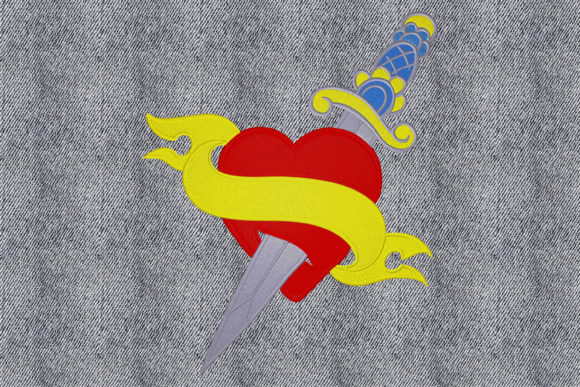
The immediate mood is unmistakably bold and symbolic. It's not a sweet, traditional heart; it's a statement. The juxtaposition creates a visual personality that’s both edgy and emotionally resonant. For embroidery designers and creative entrepreneurs, this means it naturally belongs to projects targeting a specific audience—think custom apparel for a niche boutique, a personalized gift with a deeper message, or merchandise for a small shop with a distinct brand identity.
The layout feels balanced, with the knife detail integrated into the heart shape rather than laid atop it. This is crucial for embroidery clarity. A design where elements are separate can lead to awkward jump stitches or registration issues; here, the unified shape suggests a cleaner stitch path. The detail level appears manageable—not overly dense with tiny, fragile fill stitch areas that might puckering thin fabric.
Where This Design Finds Its Home: Real Project Scenarios
Imagine preparing a custom embroidered tote bag for a craft fair. This Heart with Knife design, stitched centrally on a natural canvas bag, would immediately elevate a simple product into a conversation piece. The visual appeal is high, and it adds significant perceived value. For an Etsy seller offering personalized sweatshirts, this embroidery offers a strong, recognizable graphic that customers might seek out for its unique meaning.
It shines on robust fabrics: denim jackets, heavyweight cotton sweatshirts, linen pillow covers, and structured canvas for patches or aprons. These surfaces handle the design's likely stitch density well and present the motif cleanly. For holiday gifts—yes, even Valentine's Day—it could be a powerful alternative to cliché imagery, embroidered on a tea towel or a blanket for a recipient who appreciates something different. Its boldness also makes it a candidate for commercial embroidery projects where brand consistency relies on strong, memorable symbols.
The Caution Zones: Where to Use This Design Carefully
Now, the practical realities. On textured fabrics like loose-knit sweaters, finer details can get lost. On very thin or stretchy fabric—think a lightweight t-shirt—without perfect stabilizer and tension, the design could distort. Dark fabric backgrounds demand careful thread color contrast planning; a single, dark thread palette might render the design less visible.
Small hoop sizes could be a challenge if the design is physically large. Always check the provided dimensions before attempting it on a curved surface like a cap, where the heart's shape might need adjustment to sit correctly. The knife detail, particularly any sharp corners or points, will require good machine registration to stay crisp. For products destined for frequent washing, like baby clothes (though this theme is clearly not for nursery decor), ensure your stitch density and thread choices are robust enough to endure.
How It Translates to Customer Trust & Business Value
Using a design like this successfully impacts buyer engagement directly. A clean, professional stitch-out on a finished product builds customer trust. It signals quality craftsmanship, whether you're a hobbyist making a gift or a small business owner selling handmade products. The design's inherent strength lends itself to a confident handmade presentation. For digital product sellers offering the embroidery file itself, it’s a design asset that promises good results, which is key for customer satisfaction.
A Professional's On-the-Bench Notes
Before you commit this Heart with Knife to a client’s jacket or your next batch of tote bags, run these checks. Always, always test the design on scrap fabric first—the same fabric and stabilizer you intend to use for the final project.
- Review the stitch density on your test piece. Does it feel too thick for your chosen fabric? Does it lie flat?
- Check thread color contrast. Try it in black and white printable mockups to judge its form, and compare how it looks on both light and dark fabric backgrounds mentally.
- Confirm the hoop size you'll need. The product description mentions it comes with multiple embroidery file formats—ensure you're using the correct one for your machine and intended hoop.
- Inspect the small details in your test stitch-out. Are the knife's edges sharp? Does the heart outline hold its shape?
- Most importantly, confirm the licensing terms. The description states it "can be used," but for commercial embroidery, selling finished items, or including it in digital product bundles, you must verify what that usage permits.
This machine embroidery design has the potential to become a staple in your library for projects that need an impactful, symbolic centerpiece. Its success hinges on matching it with the right project and executing it with the same practical care I’ve outlined. Pair it with a sturdy fabric, a thoughtful color palette, and a clear understanding of its license, and the Heart with Knife will stitch out a product that truly resonates.